

Introduction: A Reliable Plumbing Solution for Every Project
When it comes to modern plumbing systems, UPVC (Unplasticized Polyvinyl Chloride) stands out as a preferred material for its strength, durability, and affordability. Whether you're installing a new water supply network or upgrading an existing system, understanding how UPVC pipes and fittings work is essential. In this guide, we’ll walk you through everything you need to know—from features and applications to installation tips and product selection.
Frequently Asked Questions (FAQs)
To begin, let’s address some common questions:
1. What are UPVC pipes used for?
They are mainly used in water supply lines, drainage systems, irrigation, and industrial piping.
2. Are UPVC pipes safe for drinking water?
Yes, UPVC is non-toxic and often certified for potable water use.
3. Can UPVC be used for hot water?
No. For hot water systems, materials like CPVC or PPR are more suitable.
4. How long do UPVC systems last?
With proper installation, UPVC pipes and fittings can last over 30–50 years.
5. What is the most common way to join UPVC fittings?
They are usually joined using solvent cement, which provides a leak-proof bond.

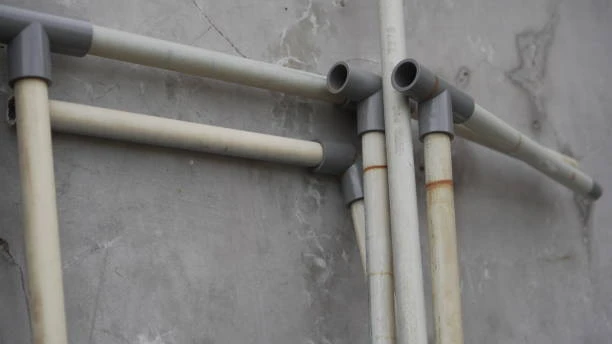
Understanding UPVC Pipes and Fittings
Before diving deeper, it’s important to understand what makes UPVC different.
UPVC pipes are rigid plastic pipes that do not contain plasticizers, which makes them tough and stable under pressure. On the other hand, UPVC fittings are the components used to connect, redirect, or terminate the pipe network.
Key Features
Now, let’s look at the standout features of UPVC:
- Corrosion Resistance – Unlike metal, UPVC won’t rust or degrade in harsh environments.
- Lightweight Structure – This makes handling and installation much easier and faster.
- Non-toxic and Safe – Perfect for clean water systems, food processing, and healthcare.
- Strong and Durable – Offers excellent resistance to pressure and impact.
- Smooth Interior Surface – Promotes steady water flow and minimizes friction loss.
- UV Resistance – Suitable for outdoor use when properly protected.
Common Applications of UPVC Pipes and Fittings
Due to these benefits, UPVC is used in a wide variety of applications. Here are the most common ones:
✅ Residential Plumbing
UPVC is ideal for cold water supply lines, waste discharge systems, and vent piping.
✅ Agricultural Irrigation
Because of its chemical resistance, UPVC performs well in fertilizer and water delivery systems.
✅ Commercial and Industrial Systems
Factories, hospitals, and large buildings use UPVC for fluid transport, drainage, and even air ducting.
✅ Infrastructure Projects
UPVC is also used in road drainage, sewerage, and rainwater harvesting systems.
As you can see, UPVC adapts well across sectors due to its reliability and low maintenance.
Types of UPVC Fittings and Their Functions
Let’s take a closer look at some standard UPVC fittings and how they are used:
| Fitting Type | Purpose |
|---|---|
| Elbow (90°, 45°) | Changes the pipe’s direction |
| Tee | Connects three sections, forming a T-shape |
| Coupling | Joins two pipe ends in a straight line |
| Reducer | Connects pipes of different diameters |
| End Cap | Seals off the end of a pipe |
| Union | Allows disassembly and reassembly of pipe lines |
| Flange | Provides a secure connection using bolts |
Each fitting plays a specific role, helping the system perform efficiently and securely.
How to Choose the Right UPVC Pipes and Fittings
When selecting UPVC products, it's important to consider several factors. Let’s go through them step-by-step.
✅ 1. Pipe Size and Wall Thickness
Always choose pipe diameter based on flow needs. Common sizes range from ½ inch to 6 inches. Thicker pipes handle higher pressure.
✅ 2. Pressure Rating (Schedule 40 vs. 80)
- Schedule 40: For general plumbing.
- Schedule 80: Designed for high-pressure systems.
✅ 3. Certifications
Ensure products meet standards like ISO 1452 or ASTM D1785, especially if used for drinking water.
✅ 4. Fitting Compatibility
Match fittings precisely to your pipe dimensions and pressure class to avoid leaks.
✅ 5. Color and Finish
Most UPVC pipes are gray or white, but some may be color-coded based on the application.
By following these steps, you can confidently select the best materials for your project.
Installation Tips: How to Get It Right
Even the best materials won’t perform well without proper installation. Here’s how to ensure everything goes smoothly:
- Cut the pipe cleanly using a fine-toothed saw or pipe cutter.
- Remove burrs to ensure smooth joints.
- Test fit all components before cementing.
- Apply solvent cement evenly to both the pipe and fitting.
- Join with a twist and hold in place for at least 30 seconds.
- Let it cure for the recommended time before applying pressure.
- Support the pipe properly using clips or hangers at regular intervals.
- Avoid direct sun exposure by using UV-protective paint or covers outdoors.
Taking care during installation will extend the system’s lifespan and reduce maintenance issues later.
UPVC vs Other Plumbing Materials
To help you make a well-informed decision, here’s how UPVC compares to other options:
| Property | UPVC | PVC | PPR | Metal |
|---|---|---|---|---|
| Heat Resistance | Low | Low | High | Very High |
| Corrosion Resistance | Excellent | Good | Excellent | Poor |
| Weight | Very Light | Light | Light | Heavy |
| Installation Ease | Very Easy | Easy | Moderate | Difficult |
| Cost | Low | Moderate | High | High |
| Lifespan | 30–50 Years | 25–40 Years | 30–50 Years | 15–30 Years |
As the table shows, UPVC is one of the best low-cost materials for cold water and drainage applications.
Conclusion: A Smart Investment for Every Plumbing Need
In summary, UPVC pipes and fittings offer a long-lasting, safe, and efficient solution for a variety of plumbing systems. From homes and farms to industrial plants, their versatility and reliability are proven worldwide.
By choosing the right products, understanding their applications, and following proper installation steps, you can build a plumbing system that stands the test of time.
If you're looking for a combination of quality, performance, and affordability—UPVC remains a top choice.