

When it comes to modern plumbing and water supply systems, PE pipe (Polyethylene pipe) stands out as a reliable and cost-effective choice. Known for its flexibility, chemical resistance, and long service life, PE pipe has become a preferred solution for municipal, agricultural, and residential water transportation. As the demand for sustainable and durable infrastructure continues to rise, understanding the characteristics, uses, and installation tips of PE pipes becomes essential for professionals and homeowners alike.
In this article, we’ll explore the basics of PE pipe, answer frequently asked questions, examine its features and applications, and offer useful guidance on selecting and installing the right pipe. We’ll also compare PE pipe to other common piping materials to help you make informed decisions.
Frequently Asked Questions (FAQ)
1. What is a PE pipe used for?
PE pipes are mainly used for transporting drinking water, irrigation systems, gas distribution, and wastewater systems due to their durability and chemical resistance.
2. Is PE pipe safe for drinking water?
Yes. Most PE pipes used for potable water meet food-grade safety standards and are approved for drinking water applications by relevant health and safety agencies.
3. Can PE pipes handle high pressure?
PE pipes are available in different pressure ratings. High-density PE pipes (HDPE) can handle significant pressure levels, often up to 16 bar (232 psi), depending on wall thickness.
4. How long does a PE pipe last?
With proper installation and usage, PE pipes can last over 50 years, especially in buried applications where they are protected from UV rays and mechanical damage.
5. What sizes do PE pipes come in?
PE pipes are available in a wide range of diameters, from 16mm (½ inch) to over 1600mm, depending on the application and industry requirements.
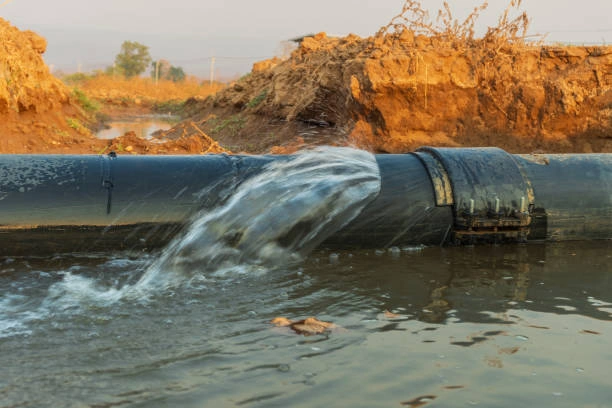
Definition and Key Features of PE Pipe
PE pipe, short for Polyethylene pipe, is a thermoplastic material commonly used in fluid and gas transportation systems. The two most widely used types are LDPE (Low-Density Polyethylene) and HDPE (High-Density Polyethylene), each suitable for different applications.
Here are the main characteristics that make PE pipe a durable and practical solution:
- Flexibility: PE pipes can bend without breaking, reducing the need for joints and fittings.
- Corrosion Resistance: Unlike metal pipes, PE pipes do not rust or corrode, even when buried underground or exposed to harsh chemicals.
- Lightweight: Easy to transport and install, saving labor and equipment costs.
- Long Lifespan: Can last 50+ years with proper use, making them a sustainable option.
- Leak-Free Joints: Fusion welding methods like butt fusion or electrofusion create strong, leak-proof connections.
- UV Resistance (for black PE pipes): Black PE pipes include carbon black for UV protection, suitable for outdoor applications.
Common Uses and Applications
PE pipes are highly versatile and used across many industries. Some of the most common applications include:
1. Water Supply Systems
Both in urban and rural areas, PE pipes are widely used for potable water supply due to their hygiene, safety, and durability.
2. Agricultural Irrigation
Farmers rely on PE pipes for drip and sprinkler irrigation systems. Their flexibility allows easy installation in various terrains.
3. Gas Distribution
PE pipe is widely used in natural gas distribution networks, thanks to its pressure resistance and low gas permeability.
4. Sewage and Drainage
Corrugated and smooth PE pipes are used in underground sewer systems, offering resistance to chemical attack and long service life.
5. Industrial Fluid Transport
Chemical factories, food processing plants, and mining operations use PE piping for transporting aggressive or corrosive liquids.
How to Choose the Right PE Pipe
When selecting a PE pipe, several factors should be considered to ensure it fits the intended application. Below is a helpful guide:
1. Material Type
- LDPE is best for low-pressure applications like irrigation.
- HDPE is stronger and better suited for high-pressure systems such as drinking water or gas lines.
2. Color
- Black PE pipes: UV-resistant, suitable for outdoor use.
- Blue-striped: Potable water.
- Yellow-striped: Natural gas.
- Green-striped: Sewer or drainage.
3. Pressure Rating (PN)
Choose pipes with the correct PN rating based on pressure requirements. For instance, PN16 can withstand higher pressure than PN6.
4. Certifications
Ensure the pipe complies with local or international standards such as ISO 4427, DIN 8074/75, or NSF certification for potable water.
5. Size and Wall Thickness
Determine the inner diameter (ID) and wall thickness (SDR rating) based on flow rate, pressure, and system design.
Installation Tips for PE Pipes
Proper installation is critical for the performance and longevity of PE pipe systems. Below are some practical tips:
- Pipe Handling: Avoid dragging on rough surfaces to prevent scratches or dents.
- Trenching: Use a bed of fine sand or gravel to support the pipe and prevent damage from sharp stones.
- Jointing: Use appropriate welding techniques (butt fusion or electrofusion) to achieve leak-proof connections.
- Testing: Perform hydrostatic pressure testing before commissioning the system.
- Backfilling: Compact soil gently around the pipe to avoid deformation.
PE Pipe vs Other Pipe Materials (Comparison)
Let’s compare PE pipes with other common piping materials based on several performance factors:
| Feature | PE Pipe | PVC Pipe | Copper Pipe | Steel Pipe |
|---|---|---|---|---|
| Flexibility | High | Low | Low | Very Low |
| Corrosion Resistance | Excellent | Good | Moderate | Poor |
| Pressure Resistance | High (HDPE) | Moderate | High | Very High |
| Joint Type | Heat Fusion | Solvent Weld | Soldered | Threaded/Welded |
| Lifespan | 50+ years | 30–50 years | 50+ years | 20–40 years |
| Installation Ease | Easy | Moderate | Difficult | Difficult |
| Cost | Low to Medium | Low | High | High |
| Weight | Very Light | Light | Heavy | Very Heavy |
As the table shows, PE pipes offer a balanced performance across durability, cost, and ease of use, making them an excellent choice for various projects.
Conclusion
PE pipe has become one of the most trusted and efficient piping solutions in today’s water supply and fluid transport systems. Thanks to its flexibility, chemical resistance, and long lifespan, it serves as a reliable alternative to traditional piping materials like metal or PVC.
Whether you're planning a residential water supply network, a large-scale irrigation project, or a gas distribution system, PE pipes provide the durability, cost-efficiency, and safety you need. With proper selection and installation, you can ensure a long-lasting and trouble-free piping system that meets both environmental and performance standards.
If you’re considering installing or upgrading a piping system, now is the time to explore the full potential of PE pipes.