
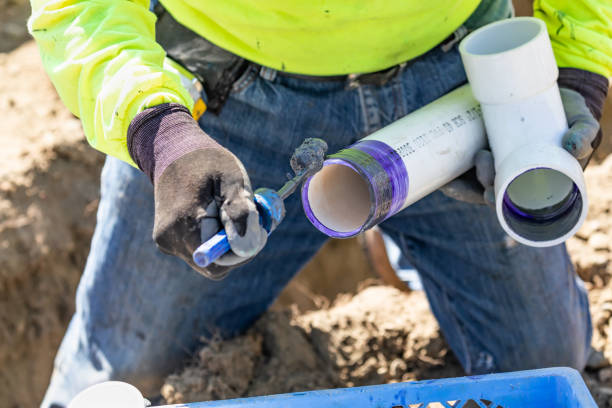
Summary: Seamlessly Join Two Plumbing Worlds
When working with mixed plumbing systems, especially in renovations, connecting PVC to copper can be a tricky task. These two materials behave differently—PVC is plastic and lightweight, while copper is metallic and heat-tolerant. Fortunately, PVC-copper fittings offer a reliable and straightforward way to connect them securely. In this guide, we’ll walk you through the types of fittings, where to use them, how to install them, and some best practices—all while keeping your plumbing leak-free.
FAQ – Quick Answers Before You Begin
1. Can I directly glue PVC to copper?
No. PVC uses solvent welding, while copper requires soldering. You need transition fittings to connect the two safely.
2. Are PVC-copper fittings suitable for drinking water?
Yes, as long as they’re certified for potable water and meet plumbing codes.
3. Do I need to solder copper pipes?
Not necessarily. Compression or threaded fittings eliminate the need for soldering.
4. Are these fittings permanent?
Yes, when installed properly, they offer a long-lasting and secure connection.
5. What’s the most common use?
Renovating old systems where copper needs to connect to new PVC lines—especially in kitchens, bathrooms, or irrigation setups.
What Are PVC-Copper Fittings?
To put it simply, PVC-copper fittings are transition connectors. One end is made to connect with PVC pipes using solvent cement, and the other end is designed for copper pipes, using either threads or compression.
Common Types Include:
- Threaded Adapters:
One end glues into the PVC, the other screws onto copper. - Compression Fittings:
These clamp onto copper without soldering, making installation safer and faster. - Flexible Couplings:
Ideal for underground or temporary fixes, often secured with clamps.
These fittings exist because PVC and copper expand, contract, and connect differently—standard fittings simply won’t work across the materials.
Why Use These Fittings?
Let’s explore this further.
PVC is valued for its affordability and ease of installation. In contrast, copper is durable and ideal for high-pressure or high-temperature applications. Often, modern plumbing needs to combine both materials, and that’s where PVC-copper fittings shine.
They allow you to:
- Transition between old and new piping systems
- Avoid expensive full-system replacements
- Maintain water safety and code compliance
- Work faster—no soldering, no mess
In short, they bring flexibility to modern plumbing design.
Where Can You Use PVC-Copper Fittings?
These fittings are incredibly versatile. You’ll find them useful in:
- Bathroom and kitchen renovations:
When extending PVC drains or adding new lines to an existing copper system. - Outdoor irrigation systems:
Connecting sturdy copper supply lines to lightweight PVC pipes. - Basement remodeling projects:
Where copper lines often remain in place, and new PVC additions are needed. - Water filtration setups:
Attaching PVC components to existing copper infrastructure.
As you can see, they offer a convenient solution wherever new meets old.
How to Install PVC-Copper Fittings: Step by Step
Let’s now move into the practical part. Follow these steps for a secure connection.
Step 1: Cut and Prepare the Pipes
First, make sure both pipes are clean and cut squarely. Use a PVC pipe cutter and a pipe cutter or hacksaw for copper.
Important: Deburr the copper pipe to avoid damaging the fitting.
Step 2: Dry-Fit Everything
Before applying any glue or threading, assemble the parts to ensure they align properly. This avoids mistakes later.
Step 3: Join the PVC Side
- Apply PVC primer to the pipe and the inside of the fitting.
- Next, apply PVC cement.
- Push the pipe fully into the fitting with a ¼ turn to distribute the cement evenly.
- Hold in place for 30 seconds to ensure bonding.
Step 4: Connect the Copper Side
Depending on the fitting type:
- Threaded:
Wrap Teflon tape around the copper threads. Then screw in the fitting securely but avoid over-tightening. - Compression:
Slide the nut and ring onto the copper pipe. Insert it into the fitting and tighten the nut with a wrench.
Step 5: Let It Cure and Test
Allow time for the cement to cure—usually 15–30 minutes. Then turn on the water and check for leaks at every joint.
Tips for a Long-Lasting Connection
To make your installation worry-free, keep these in mind:
- Don’t mix thread types (NPT vs BSP). Always match fittings and pipe thread standards.
- Use only certified fittings for drinking water systems.
- Don’t overtighten, especially compression fittings. It can crack PVC or deform the seal.
- Keep alignment straight, so pressure isn’t unevenly applied.
- Follow local building codes for safety and inspection compliance.
PVC-Copper Fittings vs. Other Methods
Here’s a quick comparison to show where they stand:
| Method | Soldered Copper | PVC-Copper Fittings | Rubber Couplings |
|---|---|---|---|
| Skill Level Required | High | Moderate | Low |
| Leak Resistance | Excellent | Excellent | Good |
| Flexibility | Low | Medium | High |
| Tools Needed | Torch, flux | Cement, wrench | Screwdriver |
| Speed of Installation | Slow | Fast | Very Fast |
As shown above, PVC-copper fittings offer an ideal balance between security and convenience.
Conclusion: A Smart Way to Connect Materials
In today’s plumbing, it's not unusual to combine modern PVC with legacy copper lines. With PVC-copper fittings, you don’t have to worry about leaks, corrosion, or system failure. These adapters make transitions smooth, strong, and future-proof.
Whether you’re a homeowner taking on a DIY project or a professional plumber updating a mixed-material system, these fittings help you build smarter and safer connections.