
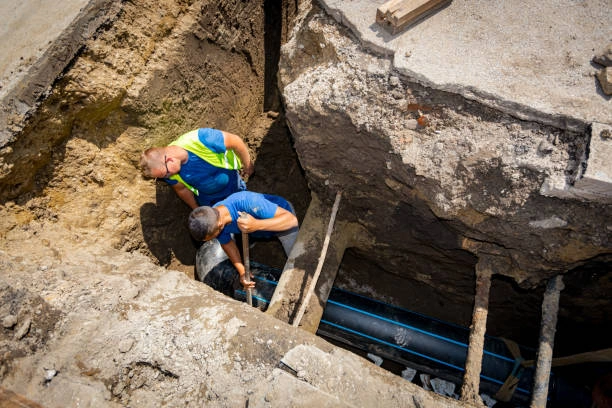
PE Pipe Fitting: Secure and Leak-Free Connections
Reliable piping systems depend not just on the quality of the pipes, but also on the fittings that connect them. In polyethylene (PE) piping systems, PE pipe fitting play a crucial role in ensuring long-term, leak-free performance across a wide range of applications—from municipal water supply to agricultural irrigation and industrial fluid transport.
PE pipe fittings are known for their strength, flexibility, and excellent resistance to corrosion and pressure. They’re engineered to create tight and durable joints that can withstand years of demanding service.
In this article, we’ll explore the types, features, and uses of PE pipe fittings, offer guidance on how to choose and install them properly, and compare them with fittings used in other piping systems.
Frequently Asked Questions (FAQ)
1. What are PE pipe fittings used for?
PE pipe fittings connect PE pipes in water, gas, sewage, irrigation, and chemical transport systems. They enable bends, branches, and secure joints.
2. What types of fittings are used with PE pipes?
Common types include elbows, tees, couplings, reducers, end caps, and flange adapters. These come in fusion, compression, or mechanical styles.
3. Are PE pipe fittings leak-proof?
Yes, when properly installed using heat fusion or electrofusion, PE fittings create strong, seamless, and leak-free joints.
4. Can PE pipe fittings handle pressure systems?
Absolutely. PE fittings are pressure-rated and are commonly used in high-pressure water and gas distribution systems.
5. How long do PE fittings last?
PE pipe fittings typically last 50 years or more when used under normal conditions and correctly installed.
What Are PE Pipe Fittings? Key Features
PE pipe fittings are components used to connect, redirect, or terminate PE pipes. They are made from high-quality polyethylene or compatible materials and are designed to be used with HDPE (High-Density Polyethylene) or LDPE (Low-Density Polyethylene) pipes.
Key Features:
- Leak-Free Jointing: Most PE fittings use heat fusion (butt or electrofusion), creating strong, continuous connections.
- Chemical Resistance: Ideal for transporting aggressive fluids and chemicals.
- Durability: High resistance to environmental stress cracking and fatigue.
- Flexibility: Withstand soil movements, thermal expansion, and pressure changes without cracking.
- Corrosion-Proof: Unlike metal fittings, PE fittings do not rust or corrode over time.
- Lightweight: Easy to transport and install, reducing labor and machinery costs.
These properties make PE pipe fittings reliable even in extreme or underground environments.
Types of PE Pipe Fittings
There are several types of PE pipe fittings, each designed for specific functions and installation methods.
1. Butt Fusion Fittings
- Welded directly to the pipe using heat and pressure.
- Common in long, buried pipeline systems.
- Includes elbows, tees, reducers, and end caps.
2. Electrofusion Fittings
- Have built-in electrical heating coils.
- Ideal for connecting pipes in confined spaces.
- Offers easy, safe, and consistent joining.
3. Compression Fittings
- Mechanical fittings that require no welding.
- Suitable for small-diameter systems or repair work.
- Easy to install and reusable.
4. Flanged Fittings
- Used for connecting to metal piping or valves.
- Provides easy disassembly and access for maintenance.
5. Socket Fusion Fittings
- Smaller diameter fittings for precise, strong connections.
- Often used in residential plumbing and indoor systems.
Applications of PE Pipe Fittings
PE pipe fittings are essential in various sectors thanks to their adaptability and performance.
1. Municipal Water Supply
Used for distributing potable water in cities and towns, especially for buried networks.
2. Gas Distribution
Electrofusion fittings are standard in PE gas piping systems due to their strength and leak prevention.
3. Agricultural Irrigation
Fittings connect lateral lines, main lines, and drip systems in large-scale farms.
4. Sewage and Drainage
Used in underground wastewater transport systems, often with corrugated PE pipes.
5. Industrial Fluid Transport
Chemical plants, food factories, and mining operations use PE fittings for transporting aggressive fluids safely.
How to Choose the Right PE Pipe Fittings
To ensure the performance and safety of your piping system, selecting the right fittings is essential. Here are key factors to consider:
1. Material Compatibility
Choose fittings made from PE100 or PE80 materials that match the pipe type and ensure fusion compatibility.
2. Fitting Type
- Use butt fusion or electrofusion for permanent, high-pressure systems.
- Choose compression fittings for temporary systems or when welding equipment is unavailable.
3. Size and Pressure Rating
Fittings should match the pipe diameter and pressure requirements (e.g., PN6, PN10, PN16).
4. Standard Compliance
Ensure the fittings meet standards like ISO 4427, DIN 8076, ASTM D2513, or local water/gas regulations.
5. Environmental Considerations
If buried or exposed to chemicals or UV, choose fittings designed for those conditions.
Installation Tips for PE Pipe Fitting
Proper installation is key to achieving secure and leak-free connections. Here are important steps and tips:
- Clean the Pipe Ends: Remove dirt, grease, and oxidation before jointing.
- Align Properly: Ensure the pipe and fitting are aligned to avoid stress during welding or use.
- Use the Right Equipment: Follow the manufacturer's guidelines for heating, timing, and pressure.
- Cool Naturally: Let the joint cool without force to ensure structural integrity.
- Check for Leaks: Pressure-test the system before backfilling or use.
For compression fittings:
- Tighten only as recommended—over-tightening can damage the fitting.
- Use sealing rings and inserts if required.
PE Pipe Fitting vs Other Pipe Fitting Materials
Let’s compare PE pipe fitting to other common fitting materials used in plumbing and fluid systems.
| Feature | PE Fittings | PVC Fittings | Brass Fittings | Steel Fittings |
|---|---|---|---|---|
| Flexibility | High | Low | Low | Very Low |
| Corrosion Resistance | Excellent | Good | Moderate | Poor |
| Joint Strength | Fusion-welded (very strong) | Solvent or threaded | Threaded or soldered | Welded or threaded |
| Weight | Light | Light | Heavy | Very Heavy |
| Ease of Installation | Moderate | Easy | Moderate | Difficult |
| Cost | Moderate | Low | High | High |
| Lifespan | 50+ years | 30–50 years | 20–40 years | 20–40 years |
Conclusion: PE pipe fittings offer a superior combination of flexibility, corrosion resistance, and long service life, especially for underground or outdoor systems.
Conclusion
PE pipe fittings are a critical part of modern piping systems, offering unmatched durability, leak-free performance, and adaptability. Whether you’re working on a water supply network, a gas line, or an irrigation system, the right fittings ensure system integrity and operational efficiency.
By choosing quality fittings, following proper installation procedures, and matching the right fitting types to the job, you can build a system that performs reliably for decades.
As the demand for sustainable and cost-effective infrastructure grows, PE pipe fittings stand out as a smart, long-term solution for professionals across multiple industries.