

Introduction: Simplify Your Plumbing with Compression PE Pipe Fittings
Compression PE pipe fittings offer a fast, secure, and tool-free way to connect polyethylene pipes. Whether you install water lines, irrigation systems, or low-pressure plumbing, these fittings save time and reduce installation errors. With their user-friendly design and strong sealing capabilities, they help you achieve leak-free connections without welding or gluing. In this guide, you’ll learn how compression PE fittings work, where to use them, how to choose the right ones, and how they compare to other fitting types.
Frequently Asked Questions (FAQ)
1. What are compression PE pipe fittings used for?
They connect polyethylene pipes in plumbing, irrigation, and low-pressure water systems without the need for heat or fusion tools.
2. Are compression fittings leak-proof?
Yes. When installed correctly, they provide tight, reliable seals that resist leaks under normal operating pressure.
3. Do I need special tools to install them?
No. You can install most compression PE fittings by hand or with a basic wrench, making them ideal for DIY and professional use.
4. Can I reuse compression fittings?
In many cases, yes. As long as the fitting and components remain in good condition, you can disassemble and reuse them.
5. Are compression fittings suitable for gas lines?
No. Compression fittings are mainly used for water systems. Gas installations require fusion or specially certified fittings.

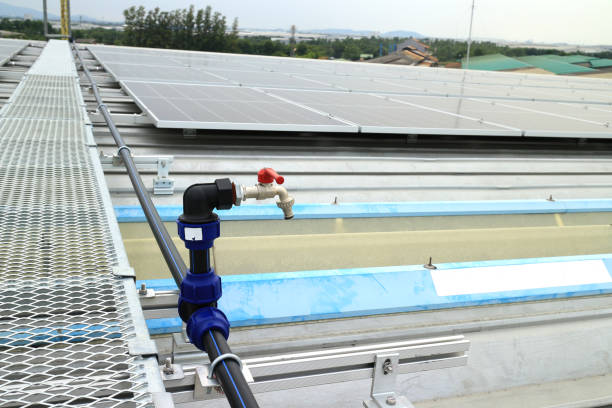
What Are Compression PE Pipe Fittings?
Compression PE pipe fittings connect two or more polyethylene pipes using a mechanical sealing method. The fitting consists of a body, compression ring (also called a ferrule), and tightening nut. When you tighten the nut, the ring compresses against the pipe, forming a watertight seal.
These fittings offer several key advantages:
- Tool-free installation
- No heating or adhesives needed
- Quick disassembly and reuse
- Strong and leak-resistant connection
- Available in a wide range of sizes and configurations
Common types include straight couplings, elbows, tees, end caps, and adapters with threaded or flange ends.
Applications: Where to Use Compression PE Pipe Fittings
Compression PE pipe fittings work well in systems that demand easy, flexible connections and moderate pressure levels. Typical applications include:
1. Residential Plumbing
Homeowners and plumbers often use these fittings to install or repair PE water lines in kitchens, bathrooms, and outdoor areas.
2. Garden and Agricultural Irrigation
Farmers and landscapers rely on compression fittings to build or expand irrigation networks, including drip and sprinkler systems.
3. Temporary Installations
Event setups, construction sites, or short-term water supplies benefit from quick-connect fittings that allow fast changes without special tools.
4. Industrial Water Transport
Compression fittings serve in light industrial settings where water needs to be rerouted or sectioned off without shutting down the system.
These fittings are not suitable for high-pressure or gas pipelines but perform reliably in low- to medium-pressure water systems.
Buying Guide: Choosing the Right Compression PE Fittings
To select the correct compression PE fitting for your project, consider the following points:
1. Pipe Compatibility
Ensure the fitting matches your pipe's outer diameter (OD). Compression fittings are typically designed to fit standard PE pipe sizes, such as 20mm, 25mm, 32mm, 40mm, and beyond.
2. Material Quality
Choose fittings made from high-grade polypropylene (PP) or polyethylene (PE100), which offer strength, UV resistance, and durability.
3. Pressure Rating
Check the pressure rating printed on the fitting. Most compression fittings support up to 10–16 bar, depending on the diameter and manufacturer.
4. Color Coding
Some fittings include color bands to indicate their use:
- Blue – Water
- Black – General or agriculture
- Green – Sewage or drainage
5. Certifications
Select fittings that meet ISO, WRAS, or NSF standards, especially if you install them in drinking water systems.
Installation Tips: How to Install Compression PE Pipe Fittings
You can install compression fittings quickly by following these steps:
- Cut the pipe squarely using a pipe cutter to ensure a flat end.
- Clean the pipe surface to remove dirt and dust.
- Insert the pipe into the fitting until it reaches the internal stop.
- Hand-tighten the nut, then use a wrench to turn it another half to one full turn.
- Pressure test the system after installation to check for leaks.
Avoid over-tightening, which may damage the ring or deform the pipe. In colder climates, ensure the pipe is not brittle before handling.
Compression Fittings vs Other PE Fitting Types
Let’s compare compression fittings with other common PE connection types:
| Feature | Compression Fittings | Electrofusion Fittings | Butt Fusion Fittings |
|---|---|---|---|
| Installation Method | Mechanical (hand-tight) | Heated fusion with machine | Heated fusion with tool |
| Tools Required | None or wrench | Electrofusion machine | Butt fusion equipment |
| Skill Level Needed | Low | Medium | High |
| Speed of Installation | Fast | Medium | Slow |
| Reusability | Yes | No | No |
| Leak Resistance | High (if installed well) | Very High | Very High |
| Cost | Low to Moderate | High | Moderate |
As the table shows, compression fittings offer a convenient, low-cost alternative for small- to medium-sized PE piping systems where simplicity and speed are priorities.
Conclusion: A Smart Choice for Simple Connections
Compression PE pipe fittings provide an easy, effective, and leak-proof solution for joining polyethylene pipes. Whether you're a contractor, plumber, or DIY enthusiast, you can rely on these fittings to build or repair water systems without heat or glue.
Their low installation requirements, wide size range, and ability to form secure seals make them ideal for domestic, agricultural, and light industrial uses. By selecting high-quality fittings and installing them correctly, you ensure system reliability and reduce maintenance over time.
Choose compression PE pipe fittings when you want flexible, reusable, and tool-free connections that stand the test of time.