
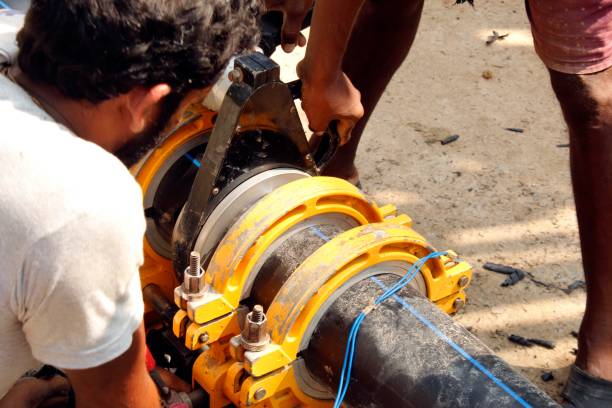
Introduction: Why PE Gas Pipe Fittings Matter
When it comes to gas distribution, safety and reliability must come first. PE gas pipe fittings provide a dependable and long-lasting solution for connecting and managing polyethylene gas pipelines. Their flexibility, resistance to corrosion, and ease of installation make them a popular choice in both residential and industrial gas systems. In this article, you will discover what PE gas pipe fittings are, how they work, where they are used, and how to select and install them properly. We'll also compare them with other materials to help you make the best decision for your project.
Frequently Asked Questions (FAQ)
1. What makes PE gas pipe fittings different from water pipe fittings?
Manufacturers design PE gas fittings specifically for gas distribution, using yellow color coding and pressure-rated materials to meet safety standards.
2. Can I use PE gas fittings for underground installations?
Yes. PE gas fittings work perfectly for underground systems because they resist corrosion, ground movement, and environmental stress.
3. How do I connect PE gas pipe fittings?
You can use electrofusion, butt fusion, or mechanical connections depending on the system size and pressure level.
4. Are PE gas fittings approved for natural gas?
Yes. Certified PE gas fittings meet international safety standards and are suitable for natural gas and LPG pipelines.
5. What sizes do PE gas fittings come in?
You can find PE gas fittings in sizes ranging from 20mm to over 500mm, covering both domestic and industrial needs.
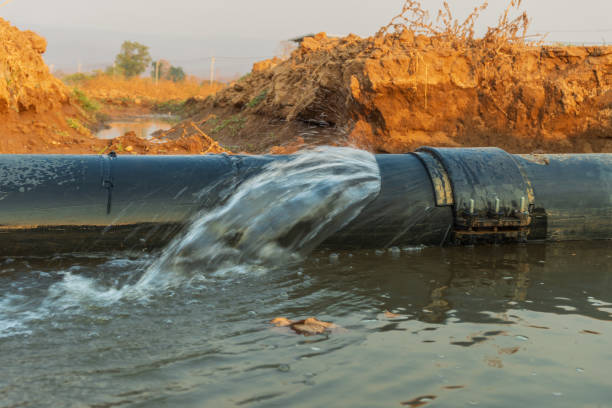
What Are PE Gas Pipe Fittings?
PE gas pipe fittings connect polyethylene gas pipes and allow safe direction changes, branching, or system terminations. These fittings include elbows, tees, couplers, reducers, end caps, and electrofusion components.
Manufacturers typically use PE100 or PE80 materials, which offer:
- High pressure resistance
- Strong chemical and environmental durability
- Flexibility to adapt to soil movement
- Long service life—often over 50 years
- Safety features such as color coding (yellow for gas)
Unlike metal or PVC alternatives, PE gas fittings do not corrode, rust, or break under pressure, making them ideal for modern gas networks.
Common Applications of PE Gas Pipe Fittings
Engineers and contractors rely on PE gas pipe fittings in a variety of gas distribution systems. These include:
1. Urban Gas Distribution Networks
City utilities use PE fittings in low-pressure natural gas systems due to their easy handling and resistance to environmental stress.
2. Residential Gas Lines
Homebuilders install PE fittings for underground gas pipelines from the main supply to the house, ensuring clean, secure gas flow.
3. LPG and Industrial Gas Systems
Factories and storage facilities use PE gas fittings to transport liquefied petroleum gas and other fuels safely and efficiently.
4. Temporary and Emergency Gas Lines
Because PE fittings are quick to install, they work well in short-term or emergency gas distribution setups.
In all these cases, PE gas fittings offer flexibility, safety, and performance that metal alternatives often cannot match.
Buying Guide: Choosing the Right PE Gas Pipe Fittings
To choose the correct PE gas fittings, you need to evaluate several critical factors:
1. Material Grade
Select PE100 for high-pressure systems or large-scale applications. It offers superior strength and performance compared to PE80.
2. Color and Marking
Always choose yellow-coded fittings with clear labeling that shows pressure ratings and standard compliance (e.g., ISO 4437, EN 1555).
3. Connection Type
- Use electrofusion fittings for strong, leak-free underground joints.
- Choose butt fusion fittings for large-diameter pipelines.
- Select mechanical fittings for quick repairs or temporary installations.
4. Size Compatibility
Ensure the fitting matches the pipe’s outer diameter. Most systems follow standard sizing for easy installation.
5. Certifications
Look for certifications such as ISO, CE, or national gas board approvals to ensure safety and regulatory compliance.
Installation Tips for PE Gas Pipe Fittings
Proper installation protects both the user and the system. Follow these steps to ensure a successful installation:
- Clean all pipe ends before joining to prevent dirt and debris from weakening the seal.
- Use a pipe scraper to remove oxidation on fusion surfaces.
- Apply the correct heat and timing when using electrofusion or butt fusion tools.
- Keep pipes aligned during the cooling phase to prevent joint distortion.
- Pressure test the system after installation to detect any leaks before operation.
Contractors should always follow national and local safety regulations during the installation process.
PE Gas Fittings vs Other Materials
Let’s look at how PE gas fittings compare with traditional pipe fitting materials like steel and PVC:
| Feature | PE Gas Fittings | Steel Fittings | PVC Fittings |
|---|---|---|---|
| Corrosion Resistance | Excellent | Poor (prone to rust) | Moderate |
| Pressure Rating | High (suitable for gas) | High | Low |
| Flexibility | High | Low | Moderate |
| Joint Methods | Electrofusion, fusion | Threaded or welded | Solvent cement |
| Longevity | 50+ years | 20–30 years | 15–25 years |
| Underground Use | Ideal | Requires protection | Not ideal |
| Environmental Impact | Low (recyclable) | High | Moderate |
| Installation Time | Fast | Slow | Moderate |
As the table shows, PE gas fittings offer a safer, more flexible, and corrosion-free solution for long-term gas infrastructure.
Conclusion
PE gas pipe fittings provide a modern, reliable, and safe option for natural gas and LPG distribution. Their flexibility, corrosion resistance, and ease of use make them the preferred choice for gas projects of all sizes.
By choosing certified, color-coded PE gas fittings and installing them correctly, you ensure long-term system stability and user safety. Whether you’re working on a city-wide gas network or a small residential project, PE fittings give you peace of mind and efficient performance.
Take the time to evaluate fitting type, material grade, size, and certifications before making a purchase. With the right choices, you’ll build a safer and longer-lasting gas distribution system.