
Introduction
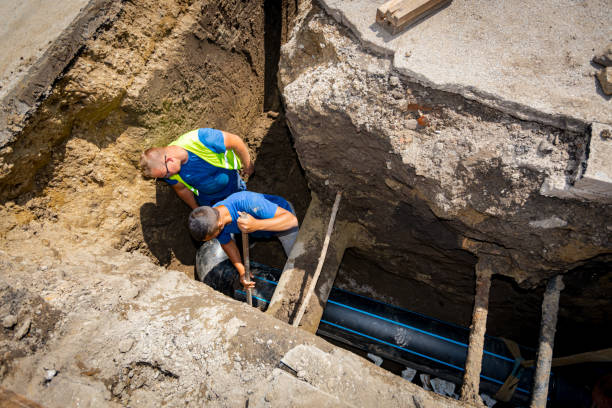
Clean and efficient water supply depends on durable, corrosion-resistant, and leak-free piping systems. Polyethylene (PE) water pipe fittings offer all these benefits and more. Thanks to their flexibility, long service life, and easy installation, PE fittings have become the top choice for residential, agricultural, and municipal water networks. In this article, you'll learn about the types of PE water pipe fittings, their applications, installation tips, and how they compare with other piping systems.
Frequently Asked Questions (FAQ)
1. What are PE water pipe fitting used for?
They connect PE water pipes in plumbing, irrigation, and large-scale water distribution systems, providing secure, watertight joints.
2. Are PE water fittings safe for drinking water?
Yes. Certified PE fittings are non-toxic and meet international standards for potable water systems.
3. What’s the lifespan of PE pipe fittings?
When properly installed, they can last over 50 years without corrosion or significant wear.
4. Do PE fittings need special tools to install?
It depends on the type. Compression fittings require minimal tools, while electrofusion or butt fusion requires heating equipment.
5. Can I use PE fittings underground?
Yes. PE pipe fittings are ideal for underground water systems due to their resistance to moisture, pressure, and soil movement.
What Are PE Water Pipe Fittings?
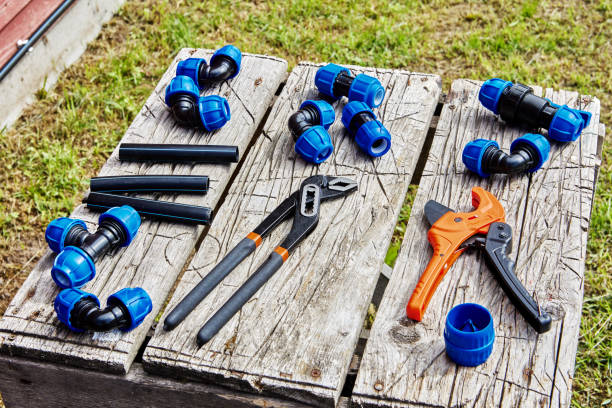
PE water pipe fittings are components used to connect, redirect, extend, or terminate polyethylene water pipes. These fittings form watertight seals and are available in a wide range of types and sizes to suit various water systems.
Common types include:
- Couplings – join two pipe ends
- Elbows – change the direction of flow
- Tees – branch off a new line
- Reducers – connect different pipe sizes
- End caps – close off a line
- Compression, electrofusion, or butt fusion fittings – based on the connection method
These fittings typically use PE100 or PE80 material, which offers strong resistance to chemicals, pressure, and UV rays.
Applications of PE Water Pipe Fittings
PE water pipe fittings serve a wide range of systems, thanks to their safety, durability, and ease of use. Common applications include:
1. Residential Plumbing
PE fittings help supply clean water to homes, especially in underground piping between the main line and the building.
2. Agricultural Irrigation
Farmers use PE fittings to build flexible, pressure-resistant irrigation systems that can withstand constant sun, pressure variation, and sediment.
3. Municipal Water Networks
Cities use large-diameter PE pipes and fittings to deliver treated water across long distances with minimal leakage and maintenance.
4. Industrial Cooling and Process Water
Industries rely on PE fittings for transporting cooling water, process fluids, or cleaning lines due to their chemical resistance and strength.
5. Temporary Water Installations
Construction sites or event venues often use PE water systems with quick-install fittings for temporary water supply solutions.
Buying Guide: How to Choose PE Water Pipe Fittings
Selecting the right fitting ensures system safety and efficiency. Keep these factors in mind:
1. Material Grade
Use PE100 for high-pressure or large-diameter systems. PE80 may work for smaller, lower-pressure lines.
2. Connection Type
- Compression fittings – easy to install by hand, ideal for temporary or low-pressure systems
- Electrofusion fittings – provide strong, leak-free joints for underground or high-pressure systems
- Butt fusion fittings – best for large pipes and permanent installations
3. Size Compatibility
Always match the fitting to the pipe’s outer diameter. Standard sizes range from 20mm to over 1000mm.
4. Certifications
Choose fittings approved for drinking water use, such as those certified by ISO 4427, WRAS, or NSF.
5. Color Coding
Most PE water fittings are black with blue stripes to indicate their use in potable water systems.
Installation Tips for PE Water Pipe Fittings
Proper installation is essential to maintain water quality and system performance:
- Cut the pipe cleanly using a sharp cutter to prevent uneven edges.
- Clean and dry the surfaces to avoid contamination during connection.
- Follow manufacturer instructions for heating and joining if using electrofusion or butt fusion.
- Avoid over-tightening compression nuts, which may deform the pipe or cause leaks.
- Pressure test the system after installation to verify the seal.
In buried installations, use sand bedding and avoid sharp stones or debris that could damage the pipe or fitting.
Comparison: PE Water Pipe Fittings vs Other Materials
Here’s how PE fitting compare with metal and PVC alternatives:
| Feature | PE Water Fittings | PVC Fittings | Metal Fittings |
|---|---|---|---|
| Corrosion Resistance | Excellent | Good | Poor (prone to rust) |
| Lifespan | 50+ years | 20–30 years | 15–20 years |
| Installation Ease | Easy | Moderate | Requires tools |
| Flexibility | High | Low | Very low |
| Potable Water Safe | Yes | Yes (if certified) | Sometimes |
| Underground Use | Excellent | Risk of cracking | Needs coating |
| Cost | Moderate | Low | High |
PE fittings outperform traditional materials in corrosion resistance, flexibility, and ease of handling, especially in buried or outdoor installations.
Conclusion
PE water pipe fittings deliver a modern, reliable solution for clean water delivery. Whether you're managing a household plumbing system, setting up an irrigation line, or designing a municipal water network, PE fittings offer unmatched advantages.
Their resistance to corrosion, long service life, and flexible installation options make them the top choice in the water supply industry. By selecting the right fitting type, size, and material grade, and following proper installation procedures, you can ensure clean, efficient, and long-lasting water flow.
If you're building or upgrading a water system, choose PE water pipe fittings for a smarter, safer, and more sustainable solution.