
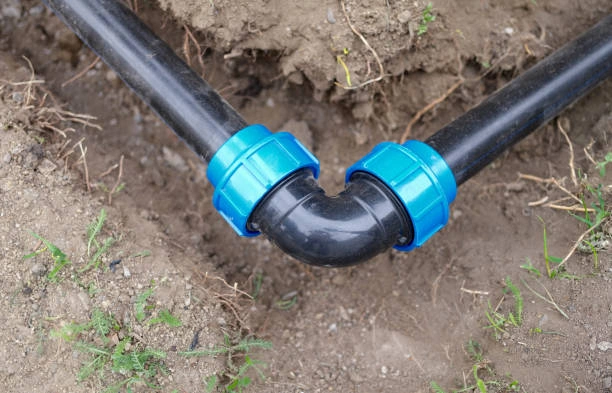
Efficient and comfortable heating starts with the right piping system. Among all available materials, PE-RT pipe (Polyethylene of Raised Temperature Resistance) has become a top choice for underfloor heating systems around the world. With its flexibility, thermal stability, and ease of installation, PE-RT pipe offers the ideal balance between performance and practicality.
This guide explores everything you need to know about PE-RT pipes, from their key features to common applications, installation tips, and a comparison with other piping materials used in radiant heating systems.
Frequently Asked Questions (FAQ)
1. What is PE-RT pipe used for?
PE-RT pipe is primarily used for low- to medium-temperature heating systems, especially underfloor (radiant) heating, as well as domestic hot and cold water supply.
2. Is PE-RT pipe safe for drinking water?
Yes. PE-RT pipes are made from non-toxic materials and are certified for potable water in many regions.
3. Can PE-RT pipe handle high temperatures?
PE-RT pipes can withstand continuous operating temperatures of up to 70–80°C (158–176°F), making them suitable for most residential heating systems.
4. What makes PE-RT better than PEX for heating?
Unlike PEX, PE-RT does not require cross-linking, which makes it easier to recycle and easier to weld using heat fusion techniques.
5. How long does PE-RT pipe last?
With proper installation and usage, PE-RT pipes can last more than 50 years under normal operating conditions.

What Is PE-RT Pipe? Key Features Explained
PE-RT stands for Polyethylene of Raised Temperature resistance. It is a special type of polyethylene resin designed to handle higher temperatures without the need for cross-linking (unlike PEX). This makes the pipe flexible, durable, and recyclable.
Key Features:
- High Thermal Resistance: Maintains strength and shape under elevated temperatures.
- Excellent Flexibility: Easy to bend around corners without fittings.
- No Cross-Linking: Easier to recycle and weld than PEX.
- Chemical Resistance: Withstands aggressive water conditions, additives, and cleaning agents.
- Long-Term Strength: Supports pressure and temperature over decades of operation.
- Safe for Water: Approved for drinking water and heating systems in many countries.
These features make PE-RT pipe an outstanding solution for radiant floor heating and hot water plumbing.
Common Applications of PE-RT Pipes
PE-RT pipes are used in a variety of heating and plumbing applications. Let’s explore the most common ones:
1. Underfloor Heating Systems
PE-RT is especially popular in radiant floor heating due to its flexibility and consistent heat distribution. It allows installers to lay coils smoothly across floors.
2. Domestic Hot Water Systems
PE-RT can safely carry hot water for household use. Its resistance to high temperatures and pressure ensures long-term reliability.
3. Cooling Systems
In addition to heating, PE-RT pipes are also used in low-temperature cooling systems and ceiling cooling panels.
4. Industrial Heating
Factories and warehouses use PE-RT for circulating heated fluids, especially in systems that don’t exceed 80°C.
How to Choose the Right PE-RT Pipe
Choosing the correct PE-RT pipe for your project depends on several factors:
1. Material Grade
Ensure the pipe is made from certified PE-RT Type I or Type II material, depending on required strength and pressure resistance.
2. Pressure and Temperature Ratings
Look for pressure ratings such as PN6, PN10, or PN16, and make sure the pipe is rated for your system’s temperature demands.
3. Pipe Size and Wall Thickness
Smaller diameters (like 16mm or 20mm) are common for underfloor heating. Ensure the wall thickness meets your system’s pressure and heat output.
4. Certifications and Standards
Check for compliance with international standards like ISO 22391 or ASTM F2769. Pipes should also have WRAS, NSF, or similar approvals for drinking water.
5. Color Coding
PE-RT pipes are typically white or red for hot water systems. Some manufacturers use blue for cold lines.
Installation Tips for PE-RT Pipes
Proper installation is essential for the performance and lifespan of your PE-RT heating system. Here are some useful tips:
- Uncoil Gently: Allow the pipe to relax at room temperature before installation to reduce tension and make bending easier.
- Spacing: In underfloor heating, maintain consistent pipe spacing (usually 100–200mm) for even heat distribution.
- Fixing: Use pipe clips or rails to secure the pipe before covering with screed or flooring.
- Avoid Sharp Bends: Maintain the minimum bending radius (usually 5–8 times the pipe diameter).
- Pressure Testing: Always test the system before covering it with concrete or tiles.
- Avoid UV Exposure: If the pipe is exposed to sunlight during installation, protect it to avoid degradation.
PE-RT Pipe vs Other Heating Pipe Materials
Below is a comparison between PE-RT and other commonly used materials for heating systems:
| Feature | PE-RT Pipe | PEX Pipe | Copper Pipe | PB Pipe |
|---|---|---|---|---|
| Flexibility | Excellent | Good | Poor | Excellent |
| Thermal Resistance | High | Very High | Very High | Medium |
| Ease of Installation | Easy | Moderate | Difficult | Easy |
| Recyclability | Yes | No | Yes | Limited |
| Fusion Welding | Yes | No (mechanical only) | No (soldering) | Yes |
| Cost | Moderate | Moderate | High | Moderate |
| Lifespan | 50+ years | 50+ years | 50+ years | 25–50 years |
As seen in the table, PE-RT pipes offer an excellent mix of performance and sustainability, especially for underfloor heating systems where flexibility and long-term durability matter most.
Conclusion
PE-RT pipe is undoubtedly one of the best options available today for underfloor heating and hot water systems. Its ability to withstand high temperatures, combined with easy installation and long lifespan, makes it an ideal material for modern radiant heating setups.
Whether you are a homeowner planning to install underfloor heating or a contractor working on a large project, PE-RT pipe offers a dependable, eco-friendly, and cost-effective solution. With proper material selection and installation, you can enjoy efficient, even heating for decades to come.