
1. Introduction
When it comes to underfloor heating systems, choosing the right pipe size is essential for performance and efficiency. Among the available options, the 16mm underfloor heating pipe stands out as the most commonly used and versatile choice. It's suitable for a wide range of installations, including residential and commercial projects, offering the perfect balance between flow rate, flexibility, and ease of installation. In this article, we’ll explore why 16mm is considered the standard, how it compares to other sizes, and what you need to know when choosing and installing it.
2. FAQs About 16mm Underfloor Heating Pipe
Q1: Why is 16mm the most popular size?
Because it offers a good compromise between heat output, water flow, and installation ease.
Q2: What materials are 16mm pipes made from?
Most are made from PEX, PE-RT, or multilayer (PEX-AL-PEX) for flexibility and durability.
Q3: Can I use 16mm pipes for all room sizes?
Yes, but pipe length per loop should not exceed 100m to ensure balanced flow.
Q4: Are 16mm pipes compatible with all manifolds?
Most standard manifolds are designed to accept 16mm pipes with suitable connectors.
Q5: Do I need special clips for 16mm pipe?
Yes, use clips or rails specifically sized for 16mm to ensure a firm and secure hold.
3. Features of 16mm Underfloor Heating Pipes
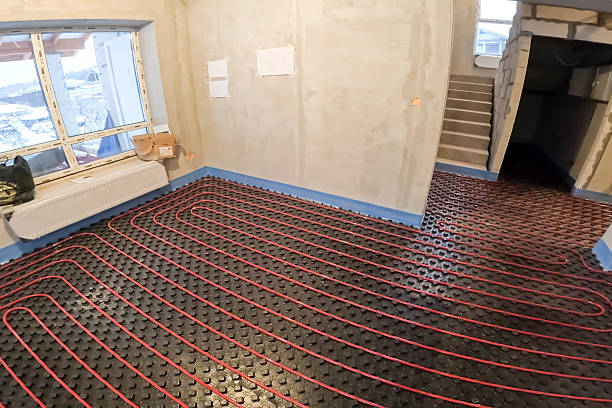
The 16mm pipe is engineered for optimal performance in wet underfloor heating systems. Key features include:
- Flexible and easy to bend, reducing installation time
- High temperature and pressure resistance, suitable for hot water systems
- Smooth inner surface, reducing flow resistance and energy consumption
- Oxygen barrier (EVOH layer) in many models, preventing corrosion in metal components
- Durability, with a typical lifespan of over 50 years when properly installed
These features make it a safe, cost-effective, and long-lasting solution for heating your floors.
4. Common Applications
The 16mm underfloor heating pipe is widely used across various settings, including:
- Residential homes (living rooms, kitchens, bathrooms)
- Apartment complexes
- Commercial offices
- Warehouses and workshops
- Greenhouses and conservatories
Its size and performance make it ideal for both small room applications and larger areas when divided into multiple loops.
5. Installation Guidelines for 16mm Pipes
Here’s how to install 16mm underfloor heating pipe effectively:
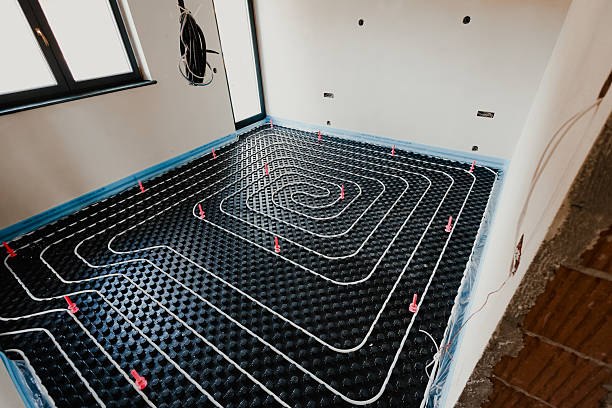
- Prepare the subfloor by cleaning and laying insulation boards
- Use pipe staples or fixing rails compatible with 16mm size
- Lay pipes with consistent spacing—typically 150mm to 200mm between runs
- Avoid tight bends to reduce stress on the pipe
- Keep each loop under 100m for optimal hydraulic balance
- Pressure test before screeding to ensure there are no leaks
With the right tools and layout, 16mm pipe installations are fast, reliable, and professional in appearance.
6. Choosing 16mm vs Other Sizes
| Pipe Size | Best Use | Pros | Cons |
|---|---|---|---|
| 10mm | Small rooms or retrofits | Easy to fit in tight spaces | Lower flow rate, less output |
| 12mm | Bathrooms or limited space areas | Compact and flexible | Requires more loops |
| 16mm | Standard home & office installs | Balanced flow, easy to install | Slightly larger bending radius |
| 20mm+ | Industrial or large floor areas | Higher output | Less flexible, harder to lay |
The 16mm pipe strikes the ideal balance for most installations, offering both capacity and convenience.
7. Buying Tips: What to Look For
When choosing a 16mm underfloor heating pipe, consider the following:
- Material: PEX-a or PEX-b offers high flexibility; multilayer (PEX-AL-PEX) adds strength
- Certifications: Look for compliance with ISO 21003, EN 13501, or WRAS for safety and reliability
- Color coding: White, red, or orange pipes can indicate different layers or brands
- Length options: Choose coil lengths based on project size—typically 100m, 200m, or 300m rolls
- Manufacturer reputation: Choose a trusted brand to avoid leaks or premature failure
8. Conclusion
The 16mm underfloor heating pipe has earned its place as the industry standard thanks to its flexibility, heat output, and ease of installation. Whether you're working on a new build or retrofitting an old space, this pipe size delivers consistent performance and long-term reliability. By understanding its features, comparing it to other options, and following proper installation techniques, you can enjoy a warm and energy-efficient floor heating system for years to come.