
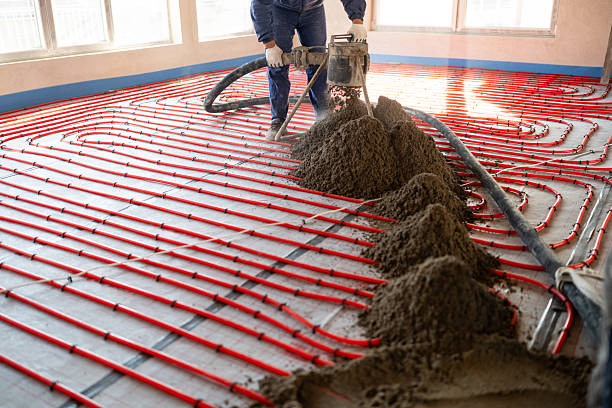
Underfloor heating systems represent a modern approach to interior climate control. With their pipework serving as the fundamental component for heat distribution. The corrosion resistance of this pipework plays a crucial role in determining system longevity, efficiency, and overall performance. This comprehensive guide examines the corrosion-resistant properties of underfloor heating pipework, exploring the materials, protective technologies. Design features that prevent degradation from water chemistry and environmental factors. We will discuss how corrosion resistance contributes to system durability, the applications where this property proves most valuable. And answer common questions about maintenance and material selection. Understanding the corrosion protection mechanisms in underfloor heating pipework helps property owners, installers. And designers ensure reliable operation and extended system lifespan.
Basic Definition and Key Characteristics
Underfloor heating pipework consists of specialized tubing installed beneath floor surfaces to circulate heated water, providing radiant warmth throughout a space. The corrosion resistance of these pipes refers to their ability to withstand chemical degradation from water constituents. Oxygen infiltration, and environmental factors without compromising structural integrity or performance. Modern underfloor heating pipes typically utilize cross-linked polyethylene (PEX). Polyethylene of raised temperature resilience (PERT), or multilayer composites featuring oxygen barrier layers. These materials inherently resist the chemical reactions that cause corrosion in metal pipes, ensuring long-term reliability.
The key characteristics that enhance corrosion resistance include material composition. Oxygen barrier technology, and manufacturing quality. PEX and PERT pipes demonstrate excellent resistance to scale buildup and chemical degradation. Maintaining smooth inner surfaces that promote efficient water flow throughout their lifespan. Many systems incorporate oxygen diffusion barriers that prevent oxygen from entering the water circuit. A crucial feature since oxygen presence accelerates corrosion throughout the entire heating system. Additionally, these plastic materials remain unaffected by electrolytic corrosion, a common issue in metal piping systems. The combination of these features ensures that underfloor heating pipework maintains its performance and structural integrity for decades. Typically exceeding 50 years of service life when properly installed and maintained.
Common Uses and Application Industries
The corrosion-resistant properties of underfloor heating pipework make it suitable for diverse applications across multiple sectors. In residential construction, these systems provide efficient heating for homes, apartments, and condominiums where long-term reliability and minimal maintenance are priorities. The pipework's resistance to corrosion ensures consistent performance in areas with varying water qualities, from soft rainwater systems to hard water regions with high mineral content. Beyond residential applications, underfloor heating serves commercial spaces including offices, retail establishments, and hotels, where system failure could result in significant business disruption and repair costs.
Industrial applications benefit greatly from corrosion-resistant underfloor heating pipework. Manufacturing facilities use these systems to maintain specific temperature conditions for production processes or storage areas, where chemical exposure might accelerate corrosion in conventional systems. Agricultural operations employ underfloor heating for greenhouse climate control and livestock barn heating, environments often characterized by high humidity and potential chemical exposure from fertilizers or cleaning agents. The healthcare sector utilizes these systems in hospitals and care facilities where system reliability directly impacts patient comfort and safety. Even in marine environments or coastal areas with salty air, corrosion-resistant pipework maintains performance where traditional metal systems would deteriorate rapidly. This broad applicability across industries highlights the importance of corrosion resistance in ensuring system longevity and operational reliability.
Frequently Asked Questions (FAQ)
1. How does corrosion resistance affect the lifespan of underfloor heating systems?
Corrosion resistance significantly extends system lifespan by preventing the gradual degradation that occurs in metal pipes. While metal piping might last 15-25 years before corrosion issues emerge, high-quality plastic underfloor heating pipework typically exceeds 50 years of service life without corrosion-related problems.
2. Do different water types affect corrosion resistance in these systems?
While plastic pipe materials themselves resist corrosion from all water types, water chemistry can affect other system components. Hard water with high mineral content may cause scaling in heat exchangers or boilers, but the smooth interior surfaces of PEX and PERT pipes resist scale buildup better than metal alternatives.
3. Are oxygen barriers necessary for corrosion prevention?
Oxygen barriers play a crucial role in preventing system-wide corrosion. While the plastic pipes themselves don't corrode, oxygen entering the system can cause corrosion in metal components like boilers, pumps, and valves.
4. How does temperature affect corrosion resistance?
Underfloor heating systems operate at temperatures typically between 35-55°C, well within the optimal range for plastic pipe materials. PEX and PERT maintain their corrosion resistance throughout this temperature range, though extremely high temperatures above 90°C might accelerate material aging.
5. Can corrosion-resistant pipes be used with all types of floor coverings?
Yes, corrosion-resistant underfloor heating pipework works with all common floor coverings including tile, stone, wood, laminate, and carpet. The corrosion resistance is an internal property that doesn't affect heat transfer or compatibility with floor materials.
Conclusion
In summary, the corrosion resistance of underfloor heating pipework represents a critical advantage that ensures long-term system reliability and performance. The advanced materials and technologies employed in modern pipework provide exceptional protection against chemical degradation, oxygen-related corrosion, and scale buildup. From residential comfort to industrial applications, corrosion-resistant pipework delivers consistent performance across diverse environments and water conditions. By understanding the importance of corrosion protection, selecting appropriate materials, and following proper installation practices, users can maximize system lifespan and minimize maintenance requirements. As underfloor heating technology continues to evolve, corrosion resistance remains a fundamental consideration for creating efficient, reliable, and durable heating solutions that meet the demands of modern construction and user expectations for decades of trouble-free operation.