
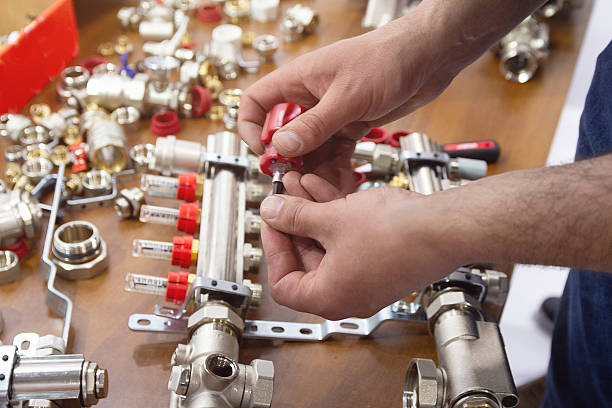
Underfloor heating systems have transformed modern living and working spaces with their practical approach to temperature control. And the pipework serves as the fundamental component delivering this comfort. The practical benefits of underfloor heating pipework extend far beyond simple warmth. Encompassing energy efficiency, space optimization, and user-friendly operation. This comprehensive guide explores the practical advantages of modern underfloor heating pipework, examining how its design, materials, and installation features contribute to everyday usability and long-term value. We will discuss how these systems simplify heating management, reduce energy consumption. And adapt to various architectural requirements while answering common questions about their real-world application. Understanding the practical benefits of underfloor heating pipework helps homeowners. Designers, and building professionals make informed decisions that balance comfort, efficiency, and functionality in diverse environments.
Basic Definition and Key Characteristics
Underfloor heating pipework consists of a network of flexible tubes installed beneath floor surfaces to circulate warm water. Creating radiant heat that warms spaces evenly from the ground up. The practical nature of this system stems from its simple yet effective design principles and advanced material technologies. Modern systems typically use cross-linked polyethylene (PEX) or similar flexible polymers that allow for easy installation in various configurations without joints or connections that might fail over time. The pipes typically range from 12mm to 20mm in diameter, making them discreet yet capable of delivering sufficient heat output for most applications.
The key practical characteristics include exceptional durability, flexibility, and compatibility with different floor constructions. These pipes resist corrosion and scaling. Ensuring consistent performance without maintenance interventions. Their flexibility enables installation in complex room layouts and around obstacles without compromising heating efficiency. Most systems operate at lower temperatures than conventional radiators, typically between 35°C and 55°C, which improves safety and reduces energy consumption. The pipework integrates seamlessly with various floor coverings including tiles. Wood, laminate, and carpet, providing design flexibility while maintaining heating effectiveness. These features combine to create a system that works quietly in the background. Requiring minimal user interaction while delivering consistent comfort throughout the heating season.
Common Uses and Application Industries
The practical benefits of underfloor heating pipework make it suitable for numerous applications across residential, commercial, and industrial sectors. In homes, it provides comfortable warmth in bathrooms, kitchens, living areas, and even outdoor spaces like patios and driveways for snow melting. Families appreciate the even heat distribution that eliminates cold spots and the extra floor space gained by removing traditional radiators. The system's compatibility with various energy sources including gas boilers, heat pumps, and solar thermal systems adds to its practical appeal for homeowners seeking energy-efficient solutions.
Commercial applications benefit significantly from underfloor heating's practical advantages. Office buildings use these systems to create comfortable working environments without visible heating equipment that might interfere with interior design. Retail spaces appreciate the unobtrusive nature of the heating that doesn't compromise product display areas. Hotels and healthcare facilities value the consistent comfort and hygiene benefits of radiant heating. Industrial facilities use underfloor systems for process heating and frost protection in warehouses and production areas. Even agricultural operations employ these systems for greenhouse heating and livestock barn comfort. The system's zoning capabilities allow different temperature control in various areas, enhancing both comfort and energy efficiency across all these applications.
Frequently Asked Questions (FAQ)
1. How easy is it to control the temperature with underfloor heating systems?
Modern underfloor heating systems offer user-friendly control through programmable thermostats and smart home integration. Users can set different temperatures for various zones and time periods, optimizing comfort and energy use.
2. What makes underfloor heating pipework practical for renovation projects?
The flexibility and small diameter of modern pipes make them ideal for retrofitting into existing structures. Low-profile systems require minimal floor buildup, and the ability to snake pipes around existing features reduces the need for structural modifications.
3. How does underfloor heating compare to traditional systems in terms of maintenance?
Underfloor heating pipework requires significantly less maintenance than traditional radiator systems. The absence of moving parts and the corrosion-resistant materials mean the buried pipework typically lasts the lifetime of the building without needing attention.
4. Can underfloor heating work with all types of floor coverings?
Yes, modern underfloor heating systems work effectively with most floor coverings including tile, stone, wood, laminate, and even carpet. Different coverings simply require appropriate temperature settings to prevent damage and ensure efficient heat transfer.
5. How quickly does the system respond to temperature changes?
While underfloor heating systems have a slower initial response time due to the thermal mass of the floor construction, they provide more stable temperatures once operational. The system works best when operated on a consistent schedule rather than with frequent temperature adjustments.
Conclusion
In summary, the practical benefits of underfloor heating pipework make it an increasingly popular choice for modern heating solutions across diverse applications. Its combination of energy efficiency, space saving, low maintenance, and user-friendly operation provides tangible advantages over traditional heating methods. The system's flexibility in installation and compatibility with various energy sources and floor coverings further enhances its practical appeal for both new construction and renovation projects. As building standards increasingly emphasize energy efficiency and occupant comfort, underfloor heating pipework continues to demonstrate its value as a practical, reliable, and future-proof heating solution. By understanding these practical advantages and proper application considerations, users can maximize the benefits of this technology while creating comfortable, efficient, and sustainable living and working environments that meet the demands of modern construction and user expectations.