
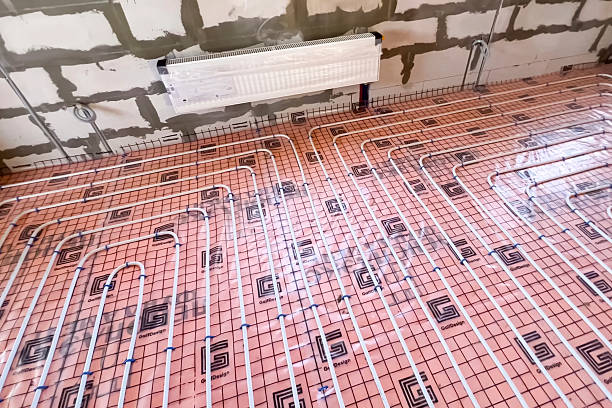
Underfloor heating systems have revolutionized modern comfort solutions, with their pipework serving as the critical circulatory system that delivers consistent warmth throughout a space. The pressure resistance of this pipework determines not only the system's efficiency but also its long-term reliability and safety. This comprehensive guide explores the pressure-resistant qualities of underfloor heating pipework, examining the materials, construction techniques, and design considerations that enable these systems to withstand operational stresses. We will discuss how proper pipework handles both static and dynamic pressure loads, its applications across various settings, and answer common questions about maintenance and performance. Understanding the pressure management aspects of underfloor heating pipework helps homeowners, architects, and installers ensure optimal system performance and durability for years to come.
Basic Definition and Key Characteristics
Underfloor heating pipework refers to the network of pipes installed beneath floor surfaces to circulate warm water, creating radiant heat that warms spaces from the ground up. These pipes typically consist of cross-linked polyethylene (PEX), polyethylene of raised temperature resilience (PERT), or sometimes multilayer composite materials. The pressure resistance of these pipes stems from their molecular structure and manufacturing quality. PEX pipes, for example, undergo a cross-linking process that creates strong molecular bonds, enabling them to withstand significant internal pressure without deforming or failing. Most quality underfloor heating pipes can handle continuous pressures of 4-6 bar at elevated temperatures, with some premium grades exceeding these ratings.
The key characteristics that enhance pressure resistance include material durability, wall thickness, and pipe diameter. Modern underfloor heating pipes often incorporate oxygen barrier layers to prevent corrosion and maintain structural integrity under pressure. Their flexibility allows for installation in continuous loops without joints, eliminating potential weak points where pressure failures might occur. Additionally, these pipes demonstrate excellent thermal expansion properties, meaning they can expand and contract under temperature-induced pressure changes without compromising their structural integrity. The combination of these features ensures that underfloor heating pipework maintains consistent performance throughout its operational lifespan, typically exceeding 50 years when properly installed and maintained.
Common Uses and Application Industries
The pressure-resistant qualities of underfloor heating pipework make it suitable for diverse applications across multiple industries. In residential construction, these systems provide efficient heating for single-family homes, apartments, and luxury developments where consistent comfort and space saving are priorities. The pipework's ability to maintain integrity under pressure ensures reliable operation in multi-story buildings where water pressure varies significantly between floors. Beyond homes, underfloor heating serves commercial spaces such as offices, retail stores, and hotels, where its invisible heating solution complements architectural designs while handling the pressure demands of large-scale circulation systems.
Industrial applications benefit greatly from robust underfloor heating pipework. Manufacturing facilities use pressurized systems to maintain specific temperature conditions for processes or storage areas. Agricultural operations employ these systems for greenhouse heating and livestock barn warmth, where pressure reliability ensures consistent temperature control. The public sector utilizes pressure-resistant underfloor heating in schools, hospitals, and municipal buildings where system failure is not an option. Even specialized applications like snow melting systems for driveways and ramps rely on the pressure endurance of this pipework to perform reliably in demanding conditions. This widespread adoption across sectors highlights the importance of pressure resistance in ensuring system reliability and user satisfaction.
Frequently Asked Questions (FAQ)
1. What pressure ratings should I look for in underfloor heating pipework?
Quality underfloor heating pipes typically feature pressure ratings of 4-6 bar at operating temperatures of 60-70°C. For most residential applications, pipes rated at 4 bar continuous pressure provide sufficient safety margins. Commercial systems may require higher ratings up to 6 bar or more, depending on system size and complexity. Always verify manufacturer specifications for exact pressure and temperature ratings.
2. How does temperature affect the pressure resistance of heating pipes?
As temperature increases, the pressure tolerance of plastic pipes generally decreases due to material softening. Manufacturers provide pressure derating curves showing how much pressure a pipe can handle at different temperatures. Most PEX and PERT pipes maintain good pressure resistance up to 80-90°C, which exceeds typical underfloor heating requirements of 35-55°C.
3. Can underfloor heating pipework handle pressure surges in the system?
Yes, quality pipes are designed to accommodate normal pressure fluctuations and water hammer effects. Their flexible nature allows slight expansion during pressure spikes, reducing stress on the system. However, installers should always include pressure relief valves and expansion tanks to protect against excessive pressure surges that could exceed design limits.
4. How long does the pressure resistance last in these systems?
Properly installed and maintained underfloor heating pipework typically maintains its pressure integrity for 50 years or more. Material quality, installation techniques, and water chemistry all influence longevity. Regular pressure testing during installation and periodic system checks help ensure ongoing performance.
5. Are there special considerations for pressure management in large installations?
Large systems require careful hydraulic balancing and zoning to maintain consistent pressure throughout the network. Installers often use manifold systems with pressure-regulating valves to ensure even distribution. Additionally, larger installations may incorporate secondary pumps and pressure sensors to maintain optimal operating conditions across all circuits.
Conclusion
In summary, the pressure resistance of underfloor heating pipework forms the foundation of system reliability and performance. The advanced materials and engineering behind these pipes enable them to withstand operational pressures while maintaining efficient heat distribution. From residential comfort to industrial applications, pressure-resistant pipework ensures consistent performance across diverse environments. By understanding pressure ratings, installation requirements, and maintenance considerations, users can maximize system longevity and efficiency. As underfloor heating technology continues to evolve, pressure management remains a critical factor in delivering comfortable, efficient, and reliable heating solutions that meet the demands of modern construction and user expectations.