
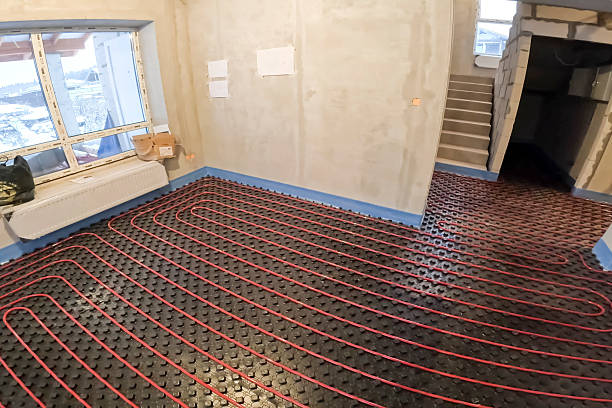
Underfloor heating pipework represents an environmentally conscious heating solution that aligns with modern sustainability goals and energy efficiency standards. These systems offer significant ecological advantages over traditional heating methods through reduced energy consumption, lower carbon emissions, and improved resource efficiency. This comprehensive guide examines the environmental aspects of underfloor heating pipework, exploring how these systems contribute to greener building practices and reduced environmental impact. Understanding the ecological benefits helps homeowners, architects, and builders make informed decisions that support environmental sustainability while maintaining comfort and efficiency. From material selection to operational performance, underfloor heating systems demonstrate how innovative heating technology can support both human comfort and planetary health.
Basic Definition and Key Characteristics
Underfloor heating pipework embodies environmental sustainability through its design, materials, and operational efficiency. Modern systems typically use cross-linked polyethylene (PEX) pipes manufactured through processes that minimize environmental impact while ensuring long-term durability. These materials offer excellent recyclability and often incorporate recycled content in their production. The system's low-temperature operation significantly reduces energy consumption compared to conventional radiators, typically operating at 35-45°C rather than 65-75°C. This lower temperature requirement enables better compatibility with renewable energy sources like heat pumps and solar thermal systems. The pipework's durability ensures a long service life, often exceeding 50 years, which reduces material waste and replacement frequency. Additionally, the system's design minimizes embodied energy through efficient material usage and reduces transportation impacts due to lightweight components. These characteristics collectively contribute to a reduced carbon footprint throughout the system's lifecycle.
Common Uses and Application Industries
Environmentally conscious underfloor heating pipework applications span various sectors committed to sustainability. Green building projects utilize these systems in residential developments seeking LEED certification or similar environmental standards. Commercial buildings implementing BREEAM standards incorporate underfloor heating for its energy efficiency and comfort benefits. Passive house constructions rely on these systems as integral components of their ultra-low energy design philosophy. Renewable energy projects combine underfloor heating with heat pumps and solar thermal systems to create carbon-neutral heating solutions. Retrofit projects use underfloor heating to improve energy efficiency in existing buildings without major structural changes. Educational institutions implement these systems in sustainable campus developments. Healthcare facilities choose underfloor heating for its improved air quality and reduced allergen circulation. Each application demonstrates how underfloor heating pipework supports environmental goals while meeting specific heating requirements across different building types and usage patterns.
Frequently Asked Questions (FAQ)
1. How does underfloor heating pipework reduce carbon emissions?
The system operates at lower temperatures than conventional heating, reducing energy consumption by 15-25%. This efficiency gain directly translates to lower carbon emissions, especially when combined with renewable energy sources. The reduced energy demand also decreases the environmental impact associated with energy production and distribution.
2. What makes PEX pipes environmentally friendly?
PEX manufacturing requires less energy than metal pipe production and generates minimal waste. The material's durability ensures long service life, reducing replacement frequency and associated environmental impacts. Many PEX products also incorporate recycled materials and are themselves recyclable at end of life.
3. Can underfloor heating work with renewable energy sources?
Yes, these systems perfectly complement renewable energy technologies due to their low operating temperatures. Heat pumps, solar thermal systems, and geothermal energy sources all work efficiently with underfloor heating, enabling completely renewable heating solutions with minimal environmental impact.
4. How does underfloor heating contribute to better indoor air quality?
The system eliminates the need for high-temperature surfaces that can burn dust and create airborne particles. It also reduces air movement that circulates allergens, creating a healthier indoor environment. This improved air quality benefits both occupants and the environment through reduced need for air purification.
5. What end-of-life options exist for underfloor heating pipework?
PEX pipes are fully recyclable through specialized programs that reprocess the material for new products. The long service life means replacement occurs infrequently, reducing waste generation. Proper disposal channels ensure minimal environmental impact at end of system life.
Conclusion
Underfloor heating pipework offers a environmentally responsible heating solution that addresses both comfort needs and ecological concerns. These systems demonstrate how thoughtful design and advanced materials can significantly reduce the environmental impact of building heating while maintaining excellent performance. The combination of energy efficiency, compatibility with renewable energy sources, and long service life makes underfloor heating an ideal choice for sustainable construction projects. As environmental considerations become increasingly important in building design and operation, underfloor heating systems provide a practical solution that reduces carbon footprint while enhancing occupant comfort. The ongoing development of more sustainable materials and installation methods continues to improve the environmental profile of these systems. By choosing underfloor heating pipework, builders and homeowners contribute to broader environmental goals while enjoying the benefits of efficient, comfortable heating. This alignment of ecological responsibility and practical performance ensures that underfloor heating will remain a key component of sustainable building practices for years to come.