
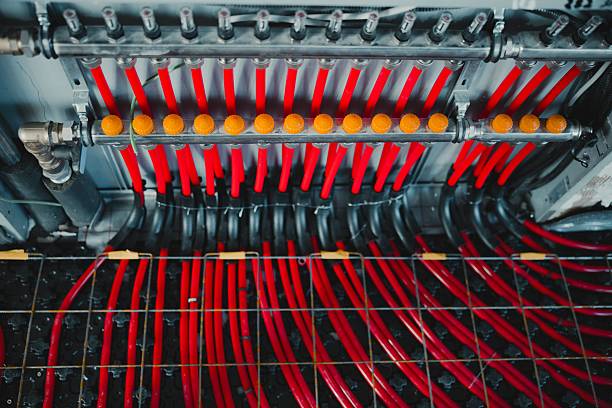
Introduction to Precision Engineering
Underfloor heating systems represent the pinnacle of modern comfort heating solutions, with their pipework standing as a marvel of precision engineering. The manufacturing process of underfloor heating pipework combines advanced polymer science with cutting-edge production technology to create products that deliver decades of reliable performance. This comprehensive guide explores the sophisticated manufacturing journey from raw materials to finished pipes, examining the exacting standards and innovative processes that ensure quality and durability. We will delve into material selection, extrusion techniques, cross-linking methods, and rigorous quality control measures that make these pipes suitable for lifelong installation beneath floors. Understanding these manufacturing processes helps professionals and homeowners appreciate the engineering excellence embedded in modern underfloor heating systems, highlighting why they have become the preferred choice for radiant heating applications worldwide.
Material Selection and Preparation
The manufacturing journey begins with careful material selection, where manufacturers typically choose between cross-linked polyethylene (PEX) or polypropylene random (PPR) compounds. These polymers offer exceptional thermal stability, flexibility, and long-term durability essential for heating applications. The process starts with raw polymer pellets being precisely blended with additives including antioxidants, stabilizers, and color pigments in automated mixing systems. Sophisticated dosing equipment ensures exact proportions of each additive to achieve the desired material characteristics. The mixture then undergoes a compounding process where it melts and homogenizes into a consistent compound ready for extrusion. This prepared material moves to temperature-controlled storage silos where it stabilizes, ensuring batch consistency and optimal processing conditions before the extrusion phase begins.
Precision Extrusion Process
The heart of pipe manufacturing lies in the precision extrusion process where the prepared material transforms into continuous pipe lengths. Computer-controlled extruders feed the compound through heated barrels where rotating screws melt and compress the material while moving it toward the extrusion die. Temperature management systems maintain exact thermal conditions throughout the extrusion process, ensuring proper material flow and consistency. As the molten polymer emerges from the die, it forms a continuous tube that immediately enters calibration and cooling systems. Vacuum calibration tanks use precision-sized rings to establish exact pipe dimensions while cooling showers gradually reduce the temperature to set the shape. Laser measuring devices continuously monitor diameter and wall thickness, making automatic adjustments to maintain tolerances within fractions of a millimeter.
Cross-Linking Techniques
For PEX pipe production, the cross-linking process represents a critical manufacturing stage that significantly enhances material properties. Manufacturers employ one of three primary methods: Engel (PEX-A), Silane (PEX-B), or Radiation (PEX-C) cross-linking techniques. The Engel method involves peroxide cross-linking under high temperature and pressure conditions, creating the highest degree of cross-linking for superior shape memory and durability. The Silane method uses moisture catalysis to create molecular bonds after extrusion, while the Radiation method employs electron beams to initiate cross-linking. Each technique requires precise control of time, temperature, and environmental conditions to achieve optimal molecular structure. This cross-linking process creates a three-dimensional network that dramatically improves the pipe's temperature resistance, pressure rating, and long-term stability for heating applications.
Quality Control and Testing
Rigorous quality control measures form an integral part of the manufacturing process, ensuring every meter of pipe meets exceptional performance standards. Automated vision systems continuously inspect the pipe surface for imperfections while ultrasonic thickness gauges verify wall consistency throughout production. Manufacturers conduct regular laboratory testing including hydrostatic pressure tests, thermal cycling assessments, and stress resistance evaluations. Long-term pressure testing at elevated temperatures verifies the pipe's 50-year lifespan capability under actual operating conditions. Additional tests check oxidation resistance, chemical stability, and mechanical strength properties. Each production batch receives complete traceability coding, allowing manufacturers to track materials and processes throughout the supply chain. These comprehensive quality measures ensure that underfloor heating pipes perform reliably for decades under constant thermal and pressure stress.
Final Processing and Packaging
The final manufacturing stages involve coiling, packaging, and certification processes that prepare the pipes for distribution and installation. Automated winding machines coil the continuous pipe lengths into manageable sizes, typically ranging from 100 to 200-meter coils, using equipment that prevents kinking or damage during winding. Protective end caps secure the pipe ends, and robust packaging materials safeguard the coils during transportation and storage. Each coil receives clear labeling indicating pipe specifications, manufacturing dates, batch numbers, and quality certifications. Final inspection includes verification of packaging integrity and labeling accuracy before shipment. The completed pipes then move to distribution channels, ready to provide efficient and reliable heating in residential, commercial, and industrial underfloor heating systems worldwide.
Conclusion: Excellence in Manufacturing
The manufacturing process of underfloor heating pipework demonstrates remarkable precision engineering and quality commitment. From material preparation through extrusion, cross-linking, and rigorous testing, each production stage contributes to creating pipes that deliver exceptional performance and longevity. These sophisticated manufacturing techniques ensure consistent quality, dimensional accuracy, and durability that underfloor heating systems require. The continuous evolution of production technology and quality standards has resulted in heating pipework that operates efficiently beneath floors while remaining maintenance-free throughout its extended service life. This manufacturing excellence explains why modern underfloor heating systems provide such reliable comfort and why professionals worldwide trust these products for both new construction and renovation projects.