
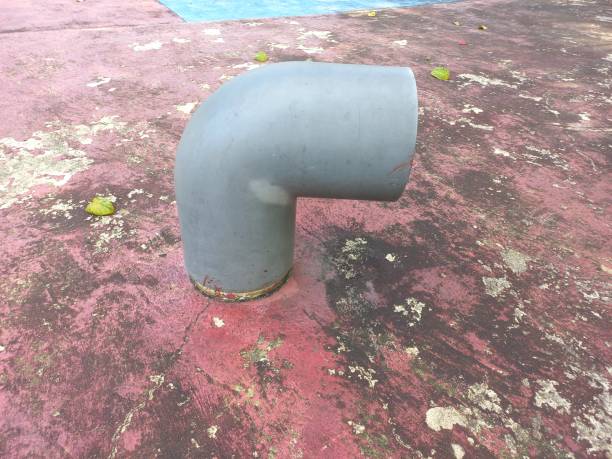
PVC water pipe has become an essential part of modern plumbing systems. Its durability, low cost, and ease of installation make it a top choice for both homeowners and professionals. Whether you are building a new system or replacing old plumbing, PVC water pipes offer a reliable and long-lasting solution. In this article, we will explore everything you need to know about PVC water pipes—from definitions and uses to installation and comparisons.
Frequently Asked Questions (FAQ)
1. What is a PVC water pipe used for?
PVC water pipes are primarily used for transporting cold potable water in homes, buildings, and agricultural systems.
2. Are PVC water pipes safe for drinking water?
Yes. Certified PVC water pipes are safe for potable water and do not contaminate the water supply.
3. Can PVC pipes handle hot water?
No. Standard PVC pipes are not suitable for hot water. For hot water applications, use CPVC (Chlorinated PVC) pipes.
4. How long does PVC water piping last?
When installed correctly, PVC water pipes can last 50 years or more without significant wear or damage.
5. Can I install PVC water pipes myself?
Yes. PVC water pipes are lightweight and easy to cut and join, making them ideal for DIY plumbing projects.

What Is a PVC Water Pipe? Definition and Features
PVC stands for polyvinyl chloride, a thermoplastic material widely used in the piping industry. PVC water pipes are designed to transport clean, cold water. They are rigid, lightweight, and resistant to corrosion, chemicals, and weather conditions.
Key Features of PVC Water Pipes:
- Non-toxic and safe for drinking water
- Corrosion and rust resistant
- Lightweight and easy to handle
- Smooth interior for better water flow
- Resistant to chemical damage
- Low cost and widely available
These features make PVC water pipe an ideal solution for residential, commercial, and agricultural water distribution systems.
Common Applications of PVC Water Pipes
PVC water pipes are versatile and suitable for a wide range of water supply applications. Below are the most common areas where they are used:
1. Residential Plumbing
PVC water pipes are widely used for indoor plumbing systems in homes. They are ideal for transporting cold water to bathrooms, kitchens, and outdoor taps.
2. Municipal Water Supply
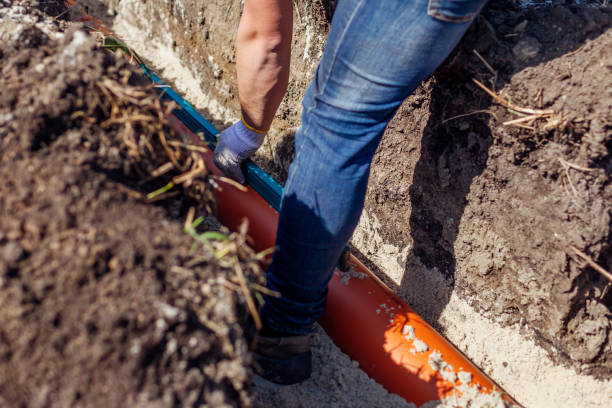
In many cities and towns, PVC piping is used in underground networks to deliver clean water to homes and buildings due to its durability and low maintenance.
3. Agricultural Irrigation
Farmers use PVC water pipes to supply water to crops efficiently. The pipes can withstand outdoor exposure and pressure changes.
4. Commercial Buildings
Hotels, offices, and shopping centers use PVC water pipes in cold water distribution systems, thanks to their reliability and longevity.
5. Water Storage Connections
PVC water pipes are also used to connect water tanks and storage systems to plumbing networks.
Buying Guide: Choosing the Right PVC Water Pipe
When selecting a PVC water pipe for your project, several important factors should guide your decision:
1. Certifications and Standards
Always choose pipes that are certified for potable water use. Look for labels like NSF-61, ISO, or ASTM to ensure water safety and material quality.
2. Pipe Schedule and Pressure Rating
PVC pipes come in different wall thicknesses, known as Schedules (e.g., Schedule 40 or Schedule 80). Thicker pipes handle more pressure but may be more expensive.
3. Diameter and Length
Select the appropriate pipe diameter based on the water flow needs. Standard diameters range from ½ inch to several inches. Pipes are usually available in 3 to 6-meter lengths.
4. Color and Marking
In many systems, white or blue PVC pipes are used for cold water. Be sure to read markings printed along the pipe for pressure rating, certification, and manufacturer information.
5. Trusted Manufacturers
Buy from reputable brands to ensure consistent quality and performance. Poor-quality pipes may crack or leak over time.
Installation Tips and Safety Guidelines
Proper installation is key to ensuring the longevity and performance of PVC water pipes. Here are some tips to follow:
1. Plan the Layout
Before installation, sketch the plumbing layout and calculate the total pipe length and number of fittings required.
2. Cut and Prepare the Pipe
Use a PVC cutter or fine-toothed saw for clean, square cuts. Smooth the edges with sandpaper or a deburring tool.
3. Use Solvent Cement
For non-threaded connections, apply primer (if required) and solvent cement to both the pipe and fitting. Push and twist the parts together to ensure a strong bond.
4. Allow Proper Drying Time
Wait at least 15–30 minutes before handling the joint. For full pressure, allow 24 hours of curing time.
5. Avoid UV Exposure
If the pipe is installed outdoors, protect it from sunlight with paint or insulation to prevent material degradation.
6. Support the Pipes
Use clamps or brackets to support long pipe runs, especially in horizontal sections. Proper spacing prevents sagging and stress.
PVC Water Pipe vs Other Pipe Materials
Not all pipes are the same. Let’s compare PVC water pipe with other common piping materials to see how it performs:
| Feature | PVC Water Pipe | CPVC Pipe | PEX Pipe | Copper Pipe | Galvanized Steel |
|---|---|---|---|---|---|
| Water Temp Suitability | Cold only | Cold and hot | Cold and hot | Cold and hot | Cold and hot |
| Corrosion Resistance | Excellent | Excellent | Excellent | Poor in acidic water | Poor |
| Flexibility | Rigid | Rigid | Very flexible | Semi-rigid | Rigid |
| Cost | Low | Moderate | Moderate | High | High |
| Ease of Installation | Easy | Moderate | Very easy | Moderate | Difficult |
| Lifespan | 50+ years | 50+ years | 40–50 years | 50+ years | 40 years |
PVC water pipes stand out for their affordability, ease of installation, and long service life. However, they are not suitable for hot water, so CPVC or PEX should be used in such cases.
Conclusion
PVC water pipe continues to be a preferred choice for modern plumbing systems. Its combination of strength, cost-efficiency, and reliability makes it ideal for cold water delivery in homes, farms, and commercial buildings. By understanding its features, choosing the right type, and installing it correctly, you can build a system that performs well for decades.
Whether you’re a DIY enthusiast or a professional plumber, PVC water pipes provide a smart and dependable solution for all your plumbing needs.